
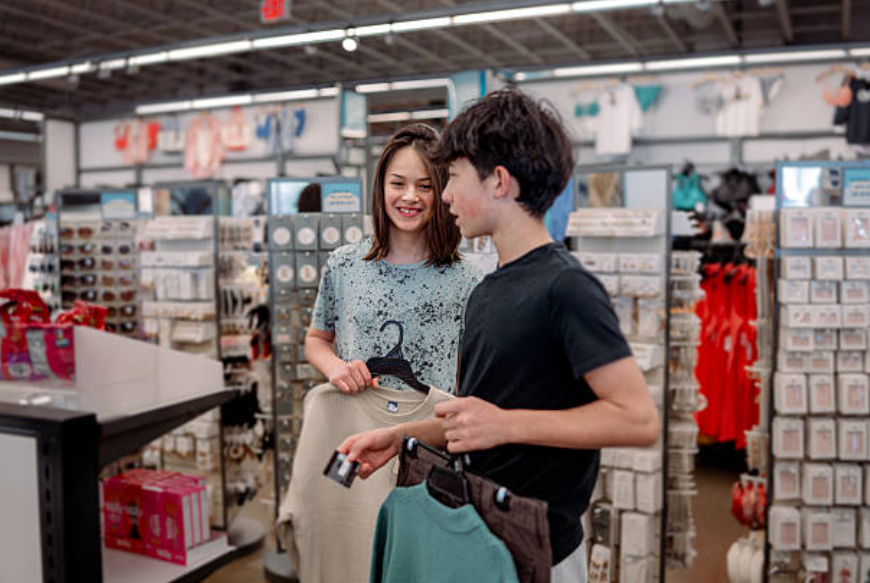
Helping kids understand wants, needs, and emotional spending.
Kids don’t spend emotionally because they’re careless with money. They do it because money is often tied to feelings long before it’s tied to logic. Excitement, boredom, comparison, stress, wanting to fit in. Spending promises a quick fix and, honestly, this is just as true for adults.
Raising financially confident children isn’t about stopping emotional spending altogether. It’s about helping kids recognise it when it's happening and understand what to do next.
why emotional spending is normal
Kids are still developing impulse control and emotional regulation. Their brains prioritise how something feels now over how it affects them later.
Money can be a shortcut for:
- feeling included
- easing disappointment
- rewarding effort
- relieving boredom
This makes emotional spending a normal part of learning and something a little guidance can help them navigate.
emotional spending at different ages
Ages 7-10
Kids think in the moment. If something looks fun or feels unfair, it can quickly turn into “I need this”. They can struggle to understand trade-offs and limits, even when they know money doesn’t last forever.
What helps
- clear categories
- short pauses before buying
- consistent boundaries
Ages 11-14
Around this age, spending becomes more social and what they buy affects how they feel they’re seen. A flat refusal can feel personal, even when it isn’t.
What helps
- honest conversations about peer pressure
- agreeing limits in advance
- letting them choose within boundaries
Ages 15-18
Teen spending is often more about independence and identity. They may fully understand that something is a want and still feel the pull strongly.
What helps:
- longer pause periods
- shared responsibility for budgets
- space to make low-risk mistakes
teaching wants vs needs
Simply labelling purchases as “wants” or “needs” can shut down the conversation before it even starts. Instead, involve your child in exploring their choices by using three simple categories:
| Needs | Wants | Nice to haves |
|
Things required for everyday life and wellbeing |
Things that make life more enjoyable but aren’t essential |
Things driven mainly by mood, timing, or social pressure |
When money comes up, simply ask:
- " Which category does this fit into?"
- "What feeling is making you want this right now?"
Not to talk them out of a purchase, but to help them notice the connection between their feelings and their spending. By reflecting on what’s driving the choice, they start to understand their habits and can make more intentional decisions in the future.
You may hear answers like:
- " I don’t want to feel left out"
- "Everyone else has one"
- "I'm bored"
- "It's just a little treat"
Once the feeling is named, the sense of urgency often drops. That brief pause creates space for reflection, giving kids a chance to consider their options instead of acting on impulse.
building the "pause before you buy" habit in kids
Impulse spending thrives on speed. Decisions made in the heat of the moment rarely consider long-term consequences. Teaching kids to pause gives them a chance to slow down, notice what they’re feeling, and think about whether a purchase is really necessary.
A simple guide:
- Ages 7-10: Wait until the next day before deciding.
- Ages 11-14: Allow 24 hours for non-essential purchases.
- Ages 15-18: Extend to 48 hours for bigger or social-related purchases.
During the pause, encourage your child to reflect with questions like:
- "Do I still want this later?"
- "What problem does it really solve?"
- "Is there another way to get the feeling I’m chasing?"
Most emotional purchases don’t survive the pause. The ones that do tend to be more thoughtful and deliberate, helping children learn to spend with intention.
using spending limits as a teaching tool
Spending limits work best when they’re predictable and clearly explained upfront. They’re not meant to catch kids out, but they exist to help them become aware of their choices and the impact of those choices.
When a limit is reached, treat it as a chance to reflect rather than a moment of frustration. Look together at what the money was spent on: What felt worth it? What didn’t? What might they do differently next time?
Over time, this approach builds cause-and-effect thinking around money. It teaches children to make deliberate choices, something that lectures alone rarely accomplish.
final thoughts
The goal isn’t to raise kids who never want anything. That wouldn’t be realistic or helpful. It’s about helping them:
- pause before spending when emotions run high
- notice how feelings influence their choices
- understand trade-offs and limits
- feel confident making decisions rather than just reacting
These skills aren’t just for pocket money. They're skills kids carry into adulthood, shaping how people manage pay rises, credit, debt, social pressure, and impulse spending.
When kids learn early that money is both emotional and practical, they start making intentional choices instead of chasing feelings.